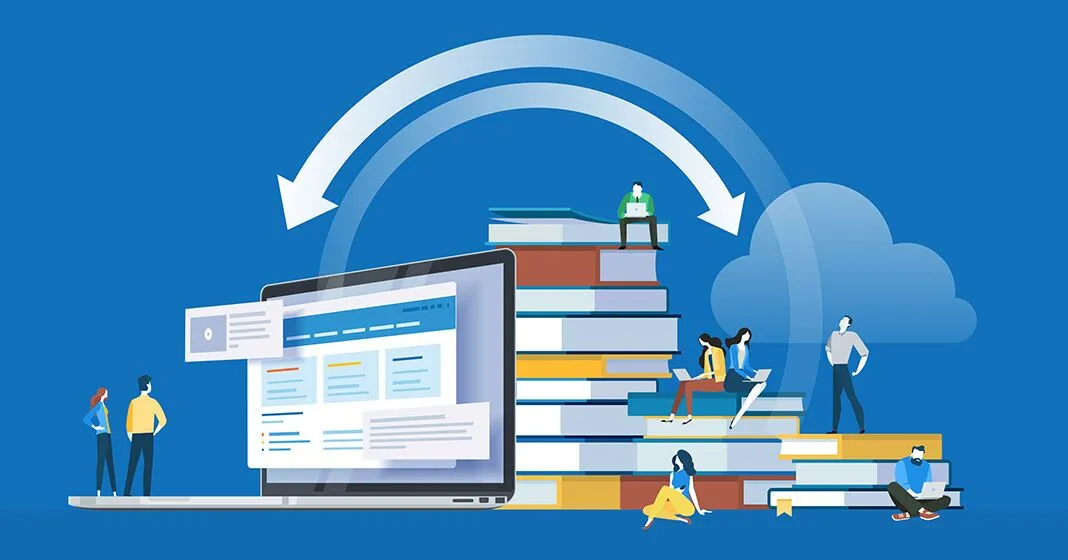
The Difference Between Traditional and Digital Learning in the Education Process
Understanding the differences between traditional and digital learning is essential for making informed educational choices. Both approaches have their strengths, and the ideal solution often combines the best of both worlds.
What is Traditional Learning?
Traditional learning refers to the educational system that takes place inside classroom environments in schools. It includes a physical structure with educational environments hosting students from various academic and social backgrounds. The transfer of knowledge is conducted by the educator, who is considered the central figure in the educational process and the primary source of knowledge.
What is Digital Learning?
Digital learning refers to the modern educational system that utilizes the internet and modern technology. It overcomes many of the challenges and drawbacks of traditional learning, offering flexibility and accessibility that physical classrooms cannot match.
Key Differences
Each type of learning has its own characteristics and approaches:
- Attendance: Traditional requires physical presence; digital allows learning from anywhere
- Content: Traditional uses printed materials; digital uses electronic and interactive content
- Student Role: Traditional tends to be passive; digital encourages active, self-directed learning
- Timing: Traditional is synchronous; digital offers both synchronous and asynchronous options
- Tools: Traditional uses physical tools; digital leverages technology and virtual labs
- Pace: Traditional follows a fixed schedule; digital allows self-paced learning
The Future of Education
At Academy of Future Minds, we believe the future lies in smart, interactive digital learning that preserves the best aspects of traditional education — personal connection, mentorship, and community — while leveraging technology to make education more accessible, engaging, and effective for every student.